
Traditional Hair Oil
Castor Oil
A thick, cushiony oil pressed from castor seeds, long used in traditional hair oiling rituals.
Overview
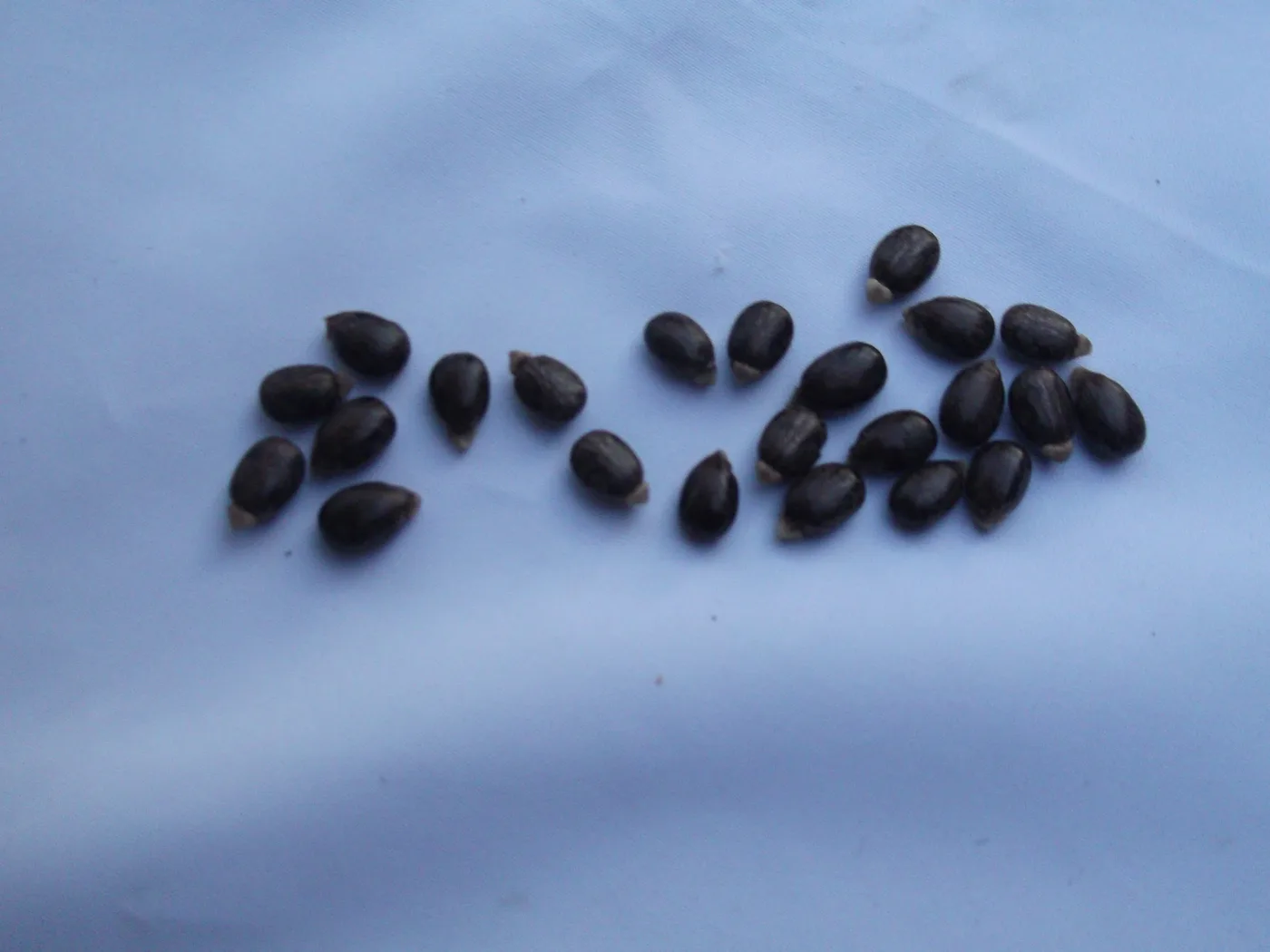
Castor Oil is pressed from the seeds of Ricinus communis and is naturally rich in ricinoleic acid, a fatty acid that gives the oil its characteristically thick, cushioning texture. It has a long history of traditional use in Indian hair oiling, where it is valued for the coated, conditioned feel it gives the hair shaft and scalp.
Benefits
- Coats the hair shaft for a conditioned, smoother-feeling finish
- Naturally rich in ricinoleic fatty acid
- Adds body and staying power to a lighter oil blend
- A long tradition of use in scalp oiling rituals
Usage
Because it is a thick oil, castor works best blended with lighter carriers - as it is in the Advance Hair Growth Oil - so the mixture spreads easily through the scalp and hair.
Research Insights
Castor oil is a well-established cosmetic ingredient whose dominant fatty acid, ricinoleic acid, has been widely studied. Its reputation in hair care rests mainly on conditioning and scalp-comfort benefits from traditional use.
Frequently Asked Questions
Is castor oil too heavy for the scalp?+
On its own it is a thick oil, which is why it is blended with lighter oils in this formula so the mixture spreads comfortably.
Does castor oil make hair grow faster?+
It is traditionally used in hair oiling for conditioning and scalp comfort; evidence supports those roles better than any direct growth claim.
Related Products
Related Articles
7 Hair Oiling Mistakes That Can Make Your Routine Less Effective
Avoid common hair oiling mistakes such as using too much oil, rough massage and poor cleansing. Build a cleaner, simpler pre-wash routine.
How Often Should You Oil Your Hair? A Simple Guide
Find out how often to oil your hair based on scalp type, hair texture and routine, plus simple mistakes to avoid when oiling.